

Canvas Art DIY for Home Decoration (3 Easy Projects That Actually Look Good)
zhangalexIf you want canvas art DIY for home decoration that doesn’t scream “first craft attempt,” start with projects that rely on clean shapes, simple color rules, and repeatable steps . The easiest wins are: (1) taped color-block canvas , (2) textured neutral abstract , and (3) minimalist line art on a warm wash . Next step: pick your room (living room, bedroom, entryway, dorm), choose one color palette, and decide whether you want a stretched canvas (ready to hang) or canvas panels (easy practice and batch making).
Quick pick: which DIY project fits your space?
Use this to decide in 30 seconds.
| DIY idea | Time | Skill level | Vibe | Best room |
| Taped color-block | 45–90 min | Beginner | Modern, clean | Living room, dorm, office |
| Textured neutral abstract | 60–120 min | Beginner+ | Cozy, upscale | Bedroom, entryway, hallway |
| Minimal line art + wash | 45–75 min | Beginner | Calm, artsy | Bedroom, reading corner |
Canvas choice tip: If you want something that’s ready to hang right away, use stretched canvas . If you want to practice first (or make a batch for a workshop), use canvas panels .
DIY #1: Taped color-block canvas (clean, modern, hard to mess up)
This is the “I want it to look like I bought it” project. It’s perfect for renters and dorm rooms because clean blocks of color look intentional even with simple technique.
Best for
- Minimalist or modern décor
- Small walls that need a pop of color
- Matching a rug, pillow, or poster palette
Materials (keep it simple)
- Canvas (stretched or panels)
- Acrylic paint (2–4 colors)
- Low-tack artist tape or painter’s tape
- Flat brush + small brush
- Optional: clear acrylic medium (helps seal tape edges)
Steps (6–8)
- Pick 2–4 colors that match your room (one main, one accent, one neutral).
- Lightly sketch your blocks (diagonal, arch, grid—keep it simple).
- Tape your edges where you want clean lines.
- Press tape edges down firmly (especially on canvas texture).
- Optional but powerful: seal the tape edge with clear medium or the base color.
- Paint in thin layers , letting each layer dry slightly.
- Peel tape slowly at a low angle when paint is dry-to-touch.
- Touch up small spots with a tiny brush if needed.
Don’t let this ruin your edges
- Thick paint near tape can seep; go thin and build.
- If you want ultra-crisp lines, sealing the edge is the secret.
Strong-related tip (good future internal link): if you want ultra-clean borders, you can later link to a dedicated post on using artist tape on canvas .
DIY #2: Textured neutral abstract (looks expensive, feels cozy)
If you love that soft, textured wall art look (but don’t want to pay for it), this is your project. Texture makes simple art look intentional.
Best for
- “Calm” interiors: beige, cream, warm gray, wood tones
- Entryways and bedrooms
- People who don’t want bright colors
Materials
- Canvas (stretched looks best on the wall)
- Acrylic paint in neutrals (white + beige/tan + a warm gray)
- Texture paste (or thick acrylic paint—paste is easier)
- Palette knife or old card
- Optional: sponge for soft blending
Steps
- Choose a simple composition: half-and-half, soft arch, or one textured “field.”
- Spread texture paste with a palette knife— thin to medium thickness .
- Let texture dry (follow product instructions; don’t rush this).
- Paint over it with 1–2 neutral tones (light pressure so texture stays visible).
- Add a second tone lightly for depth (dry brush or sponge works well).
- Step back and check balance—stop before you overwork it.
Failure-proof move
Keep your palette tight: two neutrals + white . Too many colors can make texture look messy instead of calm.
DIY #3: Minimal line art + warm wash (simple and “artsy”)
This one is great if you want something personal but not complicated. The warm wash adds mood; the line drawing adds character.
Best for
- Bedrooms, reading corners, calm living spaces
- People who like minimalist posters
- Gifts that feel thoughtful
Materials
- Canvas (panels are great for practice; stretched for final)
- Acrylic paint (one warm tone like terracotta, peach, or soft brown)
- Black paint pen or thin brush
- Pencil + eraser
Steps
- Mix a warm wash: a little paint + water/medium (not too watery).
- Brush on a thin wash—let it feel slightly uneven (that’s the charm).
- Let it dry fully.
- Pencil a simple line drawing: face outline, vase, leaves, or abstract curve.
- Trace with a paint pen or a thin brush.
- Add one small accent shape if desired (tiny sun, dot, leaf).
Keep it looking clean
Don’t overload details. Minimal line art works because it’s restrained.
Size and color rules that make DIY art look “right”
Most DIY wall art fails because of scale and random color choices , not skill.
Easy sizing guide for wall placement
| Wall situation | Canvas size suggestion | Hang tip |
| Above a desk/nightstand | 12×16 or 16×20 | Center at eye level when seated |
| Above a small sofa/loveseat | 16×20 or 18×24 | Wider feels calmer than tall |
| Narrow hallway/entry | 12×16 series (2–3 pieces) | Use consistent spacing |
| Big blank wall | Triptych (3 panels) | Keep all three the same size |
Foolproof color formulas
- Match one color from your room (pillow/rug/art poster), then add one neutral .
- Use 60/30/10 : 60% base neutral, 30% main color, 10% accent.
- If you’re unsure: warm neutrals + one muted color (sage, dusty blue, terracotta) almost always works.
If you’re making DIY canvas art for a workshop, class activity, retail kit, or a home décor event , consistency matters—because you want everyone to get a good-looking result without fighting the surface. Idocraft supports that with canvas options that fit the workflow: canvas panels for practice and batch-making (easy to store and distribute), and stretched canvas for finished pieces that are ready to hang at home. If you’re planning a group activity or stocking a DIY section, you can test formats and sizes before committing. Request a sample / Download catalog / Get a quote. Quick action checklist: Pick one DIY style (color-block, textured neutral, or line art), choose a tight palette (2–4 colors max), select the right canvas format (panels for practice, stretched for hanging), keep shapes simple, stop before overworking, and hang at the right scale for your wall.
Ready to Start Your Canvas Art DIY?
If you’d like to turn these ideas into real wall art, choosing the right stretched canvas makes the process easier and the final result cleaner.
Paint by Number Stretched Canvas (3 pcs Set)

Perfect for beginners who want a guided layout and a ready-to-hang wall set.
Economical Stretched Canvas for Students (Bulk Option)
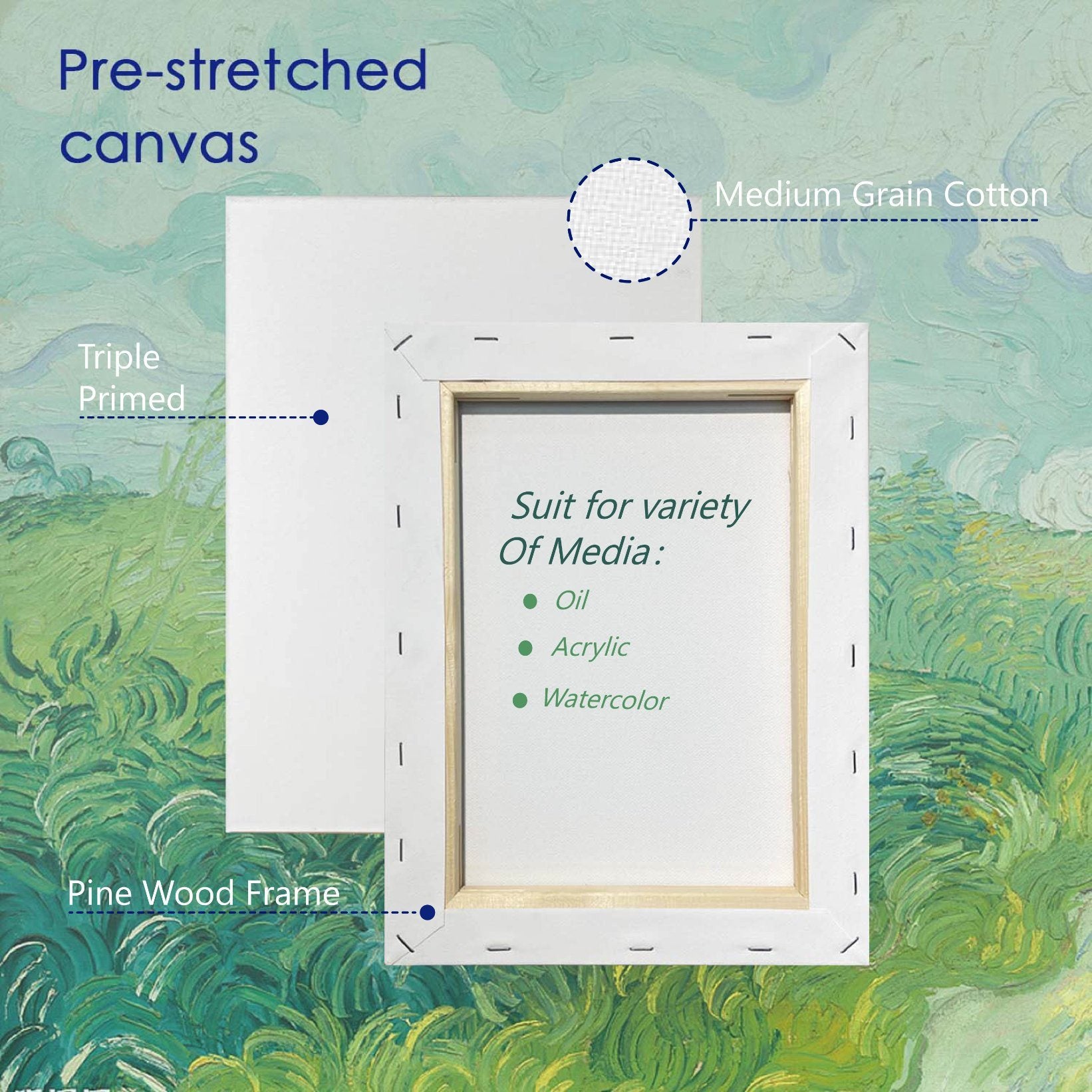
Ideal for workshops, classrooms, or anyone creating multiple DIY canvas art pieces.


